

Updated on
The best country to study and work in depends on your budget, your field and how long you want to stay after graduation. This guide compares six popular destinations on the rules that matter most: how much you can work during your course, what you can do after it, and what it costs.
Quick comparison
| Country | Work during study | Work after study |
|---|---|---|
| United States | On campus, up to 20 hours a week in term | OPT 12 months, plus 24 months for STEM |
| Canada | Up to 24 hours a week off campus | PGWP, length tied to your programme, up to 3 years |
| Germany | 140 full days or 280 half days a year | Up to 18 months to find a job |
| Australia | 48 hours per fortnight | Subclass 485, length depends on your qualification |
| United Kingdom | Usually 20 hours a week at degree level | Graduate Route, 2 years for applications made by 31 December 2026 and 18 months from 1 January 2027 for non-doctoral graduates |
| New Zealand | Up to 25 hours a week on new visas | Post-study work visa, length depends on level |
Money you must show for the visa
| Country | Living-cost funds |
|---|---|
| United States | Set by your school on the I-20, based on one year of costs |
| Canada | CAD 23,448 a year outside Quebec, for applications from 1 September 2026 |
| Germany | €11,904 a year (€992 a month) |
| Australia | AUD 29,710 a year |
| United Kingdom | £1,529 a month in London or £1,171 elsewhere, for up to 9 months, for applications before 30 November 2026. £1,570 and £1,203 from that date |
| New Zealand | NZD 20,000 a year for courses of 36 weeks or longer |
Tuition is on top of these amounts in most countries. Our guide to student visa proof of funds explains how to add up your total.
📌 Read More
1. United States

Education: The US has the widest range of programmes and research options, and tuition varies sharply between public and private universities.
Work: F-1 students can work on campus up to 20 hours a week during the academic year. Optional Practical Training gives up to 12 months of work after each degree level, and eligible STEM graduates can apply for a 24-month extension if they have a qualifying employer.
2. Canada

Education: Canada is known for strong universities and colleges. Funds for a study permit outside Quebec are CAD 23,448 a year from 1 September 2026, plus tuition and travel. Quebec sets its own figure.
Work: Eligible full-time students can work up to 24 hours a week off campus during term, and full time during scheduled breaks. After graduation the Post-Graduation Work Permit can last up to 3 years depending on your programme. University graduates need English CLB 7 (or French NCLC 7), college graduates CLB 5, and college programmes must be in an eligible field. Read our PGWP eligible programmes guide.
3. Germany

Education: Most state universities do not charge tuition for bachelor’s and most master’s programmes, but there are exceptions. Baden-Württemberg charges non-EU students €1,500 per semester, and in Bavaria each university sets its own fee for non-EU students. Every student pays a semester contribution, which the German Academic Exchange Service (DAAD) puts between €70 and €430 depending on the institution.
📰 Similar Posts
Work: Students can work 140 full days or 280 half days a year without approval from the Federal Employment Agency, or up to 20 hours a week in lecture periods. After graduating, a residence permit of up to 18 months lets you look for a job. The student visa proof of funds is €11,904 a year.
4. Australia
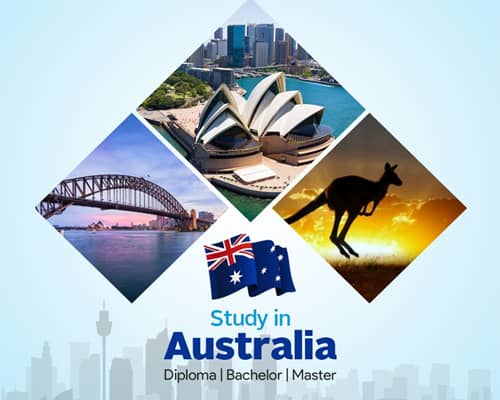
Education: Australia has strong research universities. The student visa financial capacity figure is AUD 29,710 for the student, with extra amounts for a partner and for each child.
Work: Students can work 48 hours per fortnight during study periods. The Temporary Graduate visa (subclass 485) lets degree graduates stay and work after study. Length depends on your qualification and you generally must be under 36 when you apply, so check the Home Affairs page. See our student work rules by country.
5. United Kingdom
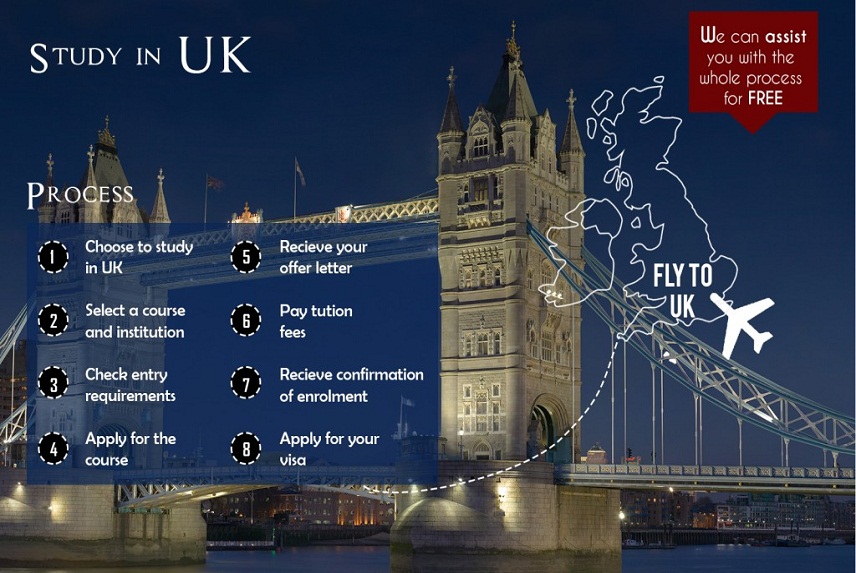
Education: One-year master’s degrees make the UK a shorter and often cheaper route. Maintenance funds are £1,529 a month in London or £1,171 a month elsewhere, for up to 9 months, for applications made before 30 November 2026. The rates rise to £1,570 and £1,203 for applications made on or after that date.
Work: Students on degree courses can usually work up to 20 hours a week in term time. The Graduate Route lets graduates stay for 2 years for applications made by 31 December 2026 (3 years for doctoral graduates). For applications from 1 January 2027 it falls to 18 months for bachelor’s and master’s graduates.
6. New Zealand
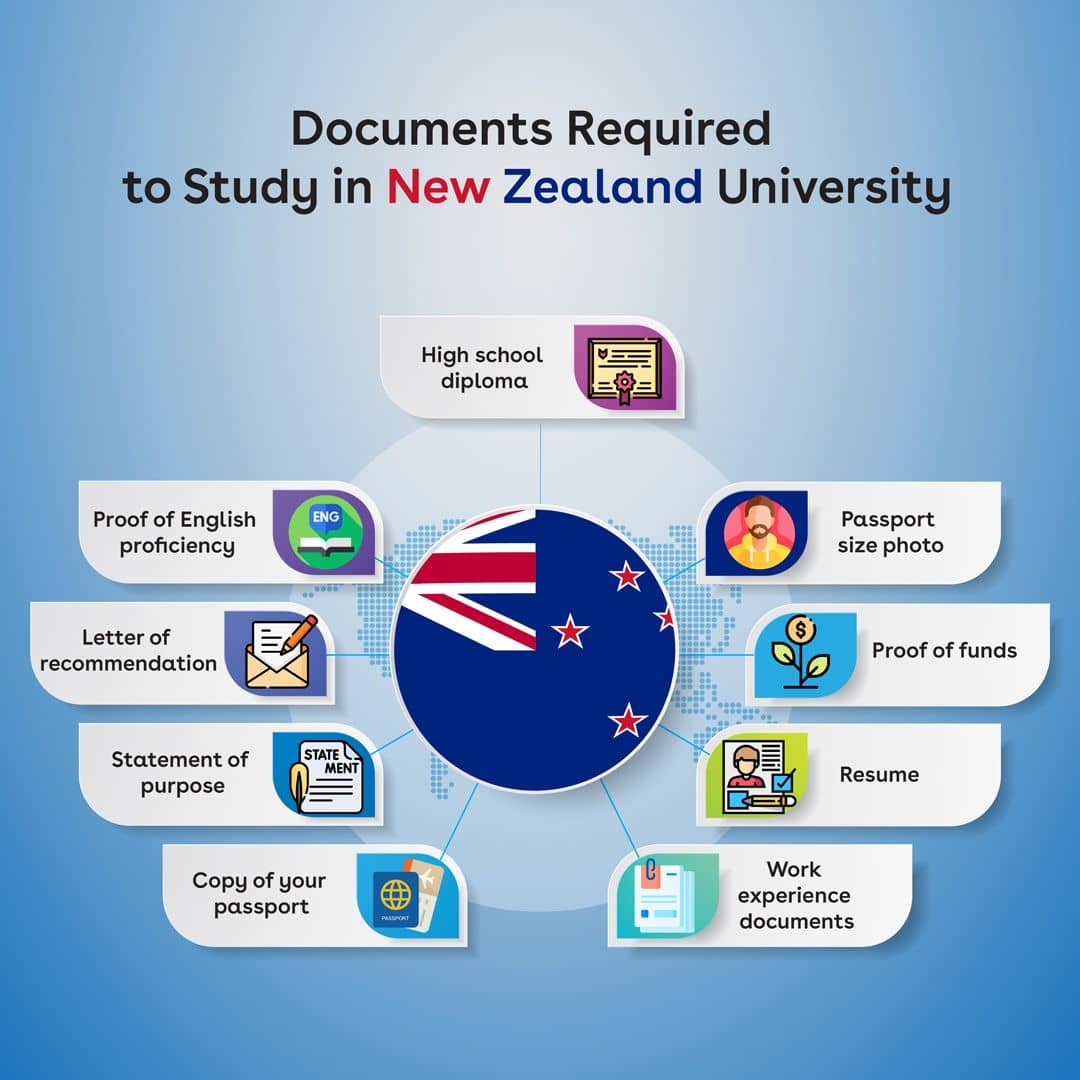
Education: New Zealand universities offer a research and practice focus. Proof of living costs is NZD 20,000 a year for courses of 36 weeks or longer, plus tuition.
Work: Eligible students can work up to 25 hours a week on visas granted from 3 November 2025. Post-study work visa length depends on the qualification, and eligibility is widening from 16 November 2026.
Which Country Fits Which Goal
| If your priority is | Look first at | Watch out for |
|---|---|---|
| Lowest tuition | Germany | Fees in Baden-Württemberg and at some Bavarian universities |
| A short, intensive degree | United Kingdom | The Graduate Route is shortening from 2027 |
| Longest time to work after study | United States (STEM) and Canada | Employer and field rules, and language tests |
| Most work hours while studying | New Zealand (25 hours a week), then Canada and Australia (24 hours a week, or 48 per fortnight) | Higher living-cost funds in Australia |
| Widest choice of programmes | United States | Tuition varies sharply, and funds are set by each school |
A Worked Example
This is an illustration, not a real case. A student wants a one-year master’s in a business field, wants to work part-time during the course and hopes to stay on afterwards. She puts her options in a table and scores each on three questions.
| Question | UK | Canada | Australia |
|---|---|---|---|
| Course length that fits | One-year master’s is common | Master’s usually two years | Master’s usually one to two years |
| Work during study | 20 hours a week in term | 24 hours a week off campus | 48 hours per fortnight |
| Time after study | 18 months if she applies from 2027 | Up to 3 years | Depends on qualification |
The table shows that no option wins on everything. She keeps the UK and Canada, then checks the exact money she would need to show for each before choosing.
How to choose
- Start with total cost: tuition plus the official living-cost figure.
- Check whether your course qualifies for the post-study route, for example the field list for Canadian college programmes.
- Look at recent rule changes that affect your start date, such as the UK rate change on 30 November 2026.
- Make sure you can show the funds and keep the evidence in order.
Frequently Asked Questions
Which country is cheapest for international students?
Germany is often the lowest on tuition, but fees apply in Baden-Württemberg and at some Bavarian universities. Compare the total yearly cost, not just tuition.
Can I work full time while studying?
Not during term in any of these six countries. Full-time work is usually allowed only in scheduled breaks, within each country’s limits.
Do post-study permits guarantee a job?
No. They give you time to look for work. Employers still hire on skills and experience. Our guide to post-study work visas by country shows how long each route lasts.
Do the money figures include tuition?
Mostly no. The figures in the funds table are living costs. Tuition for the first year is usually shown on top, or through proof that it has been paid.
👀 You Missed
You Might Also Like




About the Author

No responses yet