
Schengen Digital Visas Pushed to 2030 as Paper Options Remain for Years
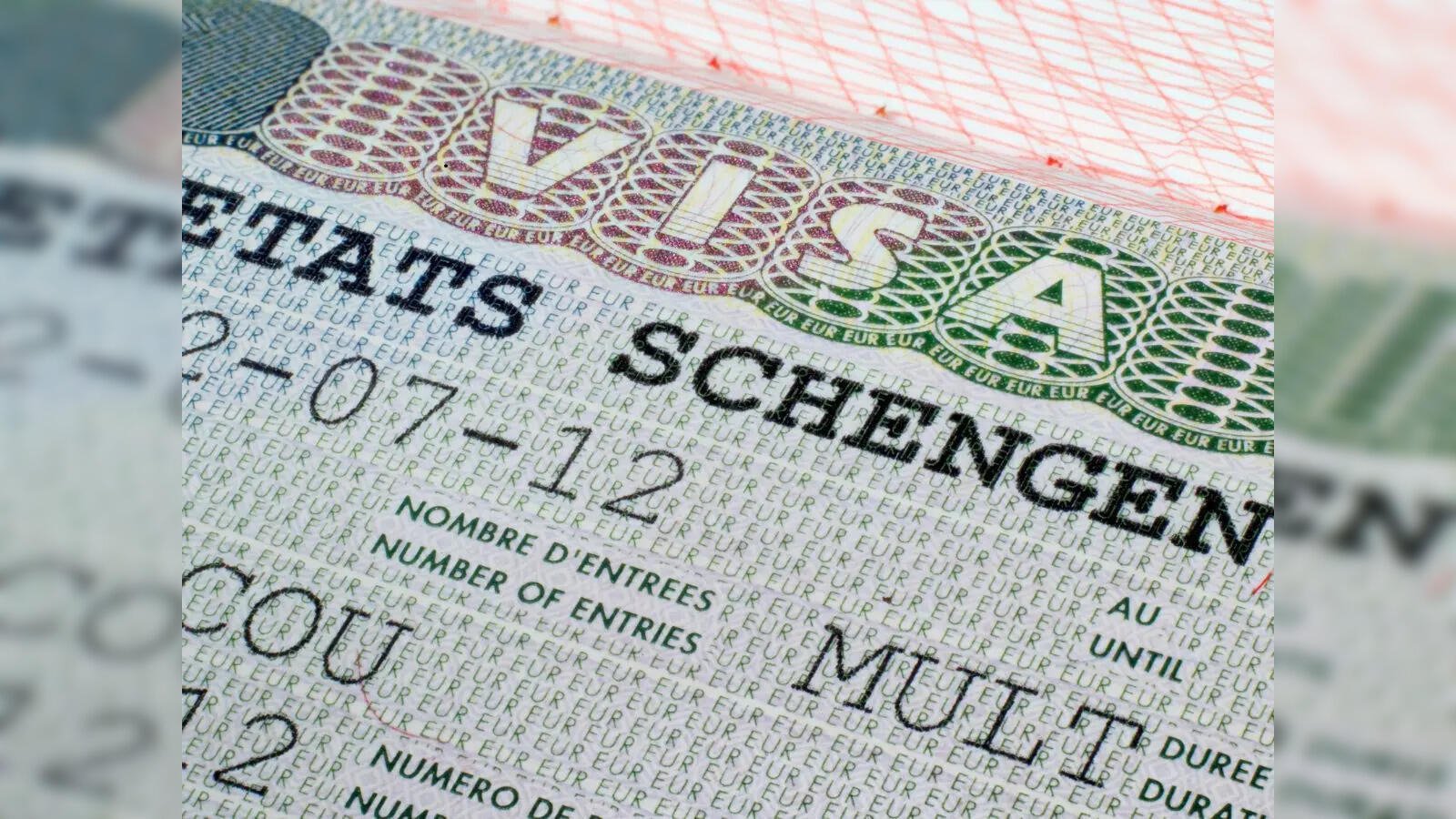
The European Union’s rollout of a centralized online platform for Schengen visa applications is moving slower than planned, with the European Commission now expecting the system to open around 2030.
Although the EU adopted the governing rules, Regulation (EU) 2023/2667 and Regulation (EU) 2023/2685, in November 2023, the provisions will not apply until the European Commission sets a formal start date. That decision requires implementing acts to be finalized and the EU agency eu-LISA to complete comprehensive operational testing.
📌 Read More
While the European Commission’s public target points to 2030, eu-LISA maintains an internal goal of entering operation by 2028. Under its Single Programming Document for 2026, 2028, adopted on July 31, 2026, the agency allocated €16.6 million in 2026 and €34.9 million in 2028 to develop and maintain the EU Visa Application Platform alongside the existing Visa Information System.
A Prolonged Phase-In for Travellers and Businesses
The extended timeline means visa-required travellers, global mobility teams, and corporate travel departments must continue dealing with a patchwork of individual national portals and paper submissions.
Once the EU Visa Application Platform goes live, Member States will receive a transition period of up to seven years to switch over completely. As a result, certain Schengen countries may continue processing paper visa filings well into the late 2030s.
In-Person Requirements Remain Intact
Even after digital application portals become active, physical appointments will not vanish entirely. Applicants will still need to present themselves in person under specific compliance triggers set by the regulations:
- Filing a first-time visa application using a newly issued passport.
- Submitting an application when previous biometric fingerprints were captured more than 59 months prior.
👀 You Missed

About the Author

No responses yet