
Updated on
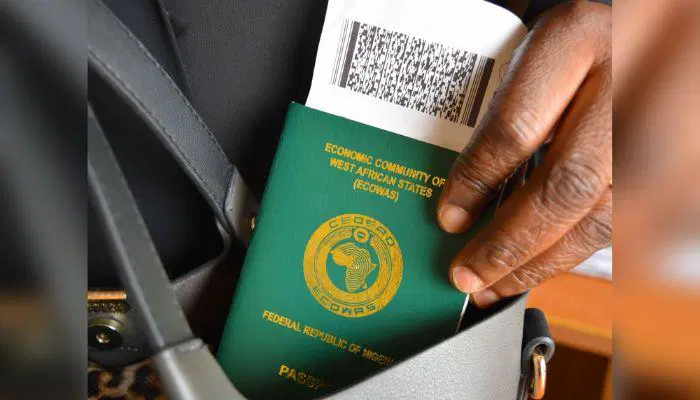
There is no “easy” Schengen country, and lists that claim otherwise are guesses. Refusal rates differ far more by nationality than by destination. Across all applicants the 2024 refusal rate was about 14.8%, while Nigerian applicants were refused in 45.9% of Schengen short-stay applications, up from 40.8% in 2023. That is among the highest rates for any nationality. This guide compares refusal rates by nationality and destination, explains what the numbers mean, and shows how to lower your risk.
Refusal rates by nationality (2024)
| Nationality | Refusal rate |
|---|---|
| China | 4.6% |
| Turkiye | 14.5% |
| India | 15.0% |
| Morocco | 20.1% |
| Egypt | 25.7% |
| Algeria | 35.0% |
| Nigeria | 45.9% |
| All applicants | about 14.8% of roughly 11.7 million applications |
UK, US, Canadian and Australian passport holders do not need a Schengen visa for short visits, so they do not appear in these figures. For applicants who do need one, the gap between nationalities shows why the strength of your own file matters more than the country you choose.
📌 Read More
What the 2024 figures show
- Nigeria’s overall Schengen refusal rate in 2024 was 45.9%, compared with 40.8% in 2023.
- Over about 15 years, roughly 42% of Nigerian applications have been refused.
- These figures come from European Commission statistics on Schengen visa applications.
In plain terms, nearly one in two Nigerian applications is refused. The most likely cause is not the country you pick but the file you submit: weak proof of funds, unclear ties to your home country or inconsistent details.
Refusal rates by destination country
The table shows 2024 refusal rates for all nationalities combined at each destination. They are not Nigeria-specific, so use them as a rough guide only.
| Group | Countries and refusal rate (2024) |
|---|---|
| Lowest refusal rates | Iceland 6.6%, Bulgaria 9.4%, Romania 9.4%, Slovakia 9.9%, Italy 10.9%, Latvia 10.9% |
| Middle | Switzerland 11.3%, Poland 11.3%, Hungary 12.8%, Norway 12.8% |
| Highest refusal rates | Malta 38.5%, Estonia 27.2%, Belgium 24.6% |
Two cautions. First, a low rate at one country can reflect who applies there, such as many business travellers or people with strong invitations, and not an easier process. Second, rates change every year, so an older “easiest countries” list can be badly out of date.
Which country should you apply to?
The rule is fixed: apply to the country where you will spend the most nights. If your stay is split equally, apply to the country you enter first. Choosing a different country only because its rate looks better can count against you. Applying to several countries one after another after a refusal also looks poor.
Fees and basics
- Visa fee: €90 for adults and €45 for children aged 6 to under 12.
- Service fees at the visa application centre are extra.
- Travel insurance must cover at least €30,000 across the Schengen area.
- A short-stay visa allows up to 90 days in any 180 days across the 29 Schengen countries.
- Decisions are typically made within 15 calendar days, but can take longer.
How to lower your risk of refusal
| Weak point | What strengthens it |
|---|---|
| Funds | Recent statements that match your trip length, with any large deposit explained |
| Ties to your home country | Employer letter with approved leave, business registration, enrolment letter, or family dependants |
| Travel plan | A realistic itinerary and bookings you can show for the whole stay |
| Consistency | Same names, dates, job title and income on the form and every document |
| Timing | Apply early, because appointments can run out |
A worked example
This is an illustration, not a real case. Two applicants plan a ten-day trip to Italy. Both are employed, have similar savings and apply to Italy as their main destination. The first holds an Indian passport and the second a Nigerian one. Because the averages differ so widely, both are advised to add extra evidence: a clear itinerary, an employer leave letter, six months of statements with any large deposit explained, and proof of family or property ties at home. Neither can rely on the destination’s overall refusal rate, because that rate mixes all nationalities.
📰 Similar Posts
If your Schengen visa is refused
Under the Schengen Visa Code you receive a standard refusal form that lists the reasons. In most Schengen countries you have a right to appeal, but the rules are set by the country that refused you. As one example, the Czech Republic’s embassy says an appeal must be filed within 15 days of receiving the form, is sent to the consulate that refused you, carries a fee of €80, and cannot rely on new documents. Other countries differ, so read the form and the embassy’s refusal page straight away.
Most people do better by fixing the problems and applying again. Declare the earlier refusal, answer each listed reason with evidence, and do not reapply with the same file.
Common questions
Does a Schengen refusal affect other countries?
A refusal is recorded in a shared database and you must declare it on later applications. It does not automatically block you, but weak reapplications are risky.
Is an invitation letter enough?
No. An invitation supports your purpose, but you still have to prove funds and ties to your home country.
Can an agent guarantee approval?
No. Be careful with anyone who sells a guaranteed visa, a fake booking or a fake bank statement. Those can lead to a refusal and a long-term entry ban.
For the full list of what officers weigh, read our guide on the key factors that affect visa application success. If you are applying to Romania, see our Romania visa guide.
Want your documents checked before you apply? Contact KPvisas.
👀 You Missed
You Might Also Like



About the Author

No responses yet