
Updated on
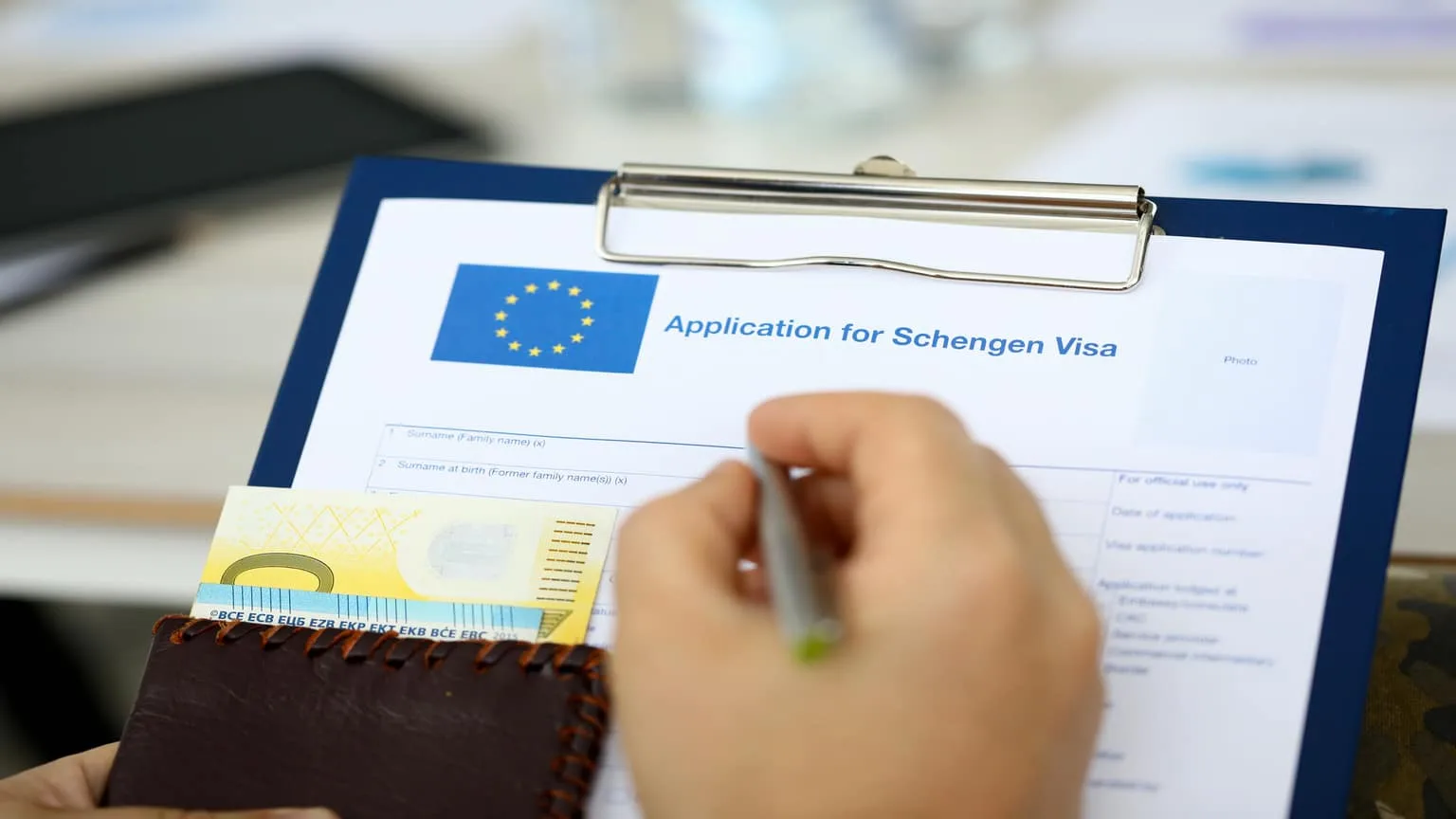
When a Schengen visa is refused, the embassy gives you a standard refusal form. It ticks one or more of 11 official grounds. Knowing what each ground really means is the fastest way to fix a weak application. Across all nationalities about 14.8% of Schengen applications were refused in 2024, but the rate varies sharply by passport: 45.9% for Nigerian applicants, up from 40.8% in 2023, so applicants from higher-refusal countries need to take this seriously.
The 11 grounds on the refusal form
| # | Ground | What it usually means | How to avoid it |
|---|---|---|---|
| 1 | False or forged travel document | The passport or ID looks altered or is not genuine | Use only your genuine passport and documents |
| 2 | Purpose and conditions of stay not justified | The trip does not make sense or the plan is vague | Give a clear itinerary, invitation or booking that matches the stated purpose |
| 3 | No proof of sufficient means of subsistence | Funds are too low or the bank trail looks unreliable | Show 3 to 6 months of statements consistent with your income, or a documented sponsor |
| 4 | Already stayed 90 days in the current 180 days | Your earlier stays leave no days for this trip | Count your previous days and apply for dates you can lawfully use |
| 5 | Alert in the Schengen Information System | A member state has flagged you for refusal of entry | Ask the flagging country to review the alert |
| 6 | Threat to public policy, security or health | A security or public-health concern | Seek legal advice; this ground is hard to challenge |
| 7 | Travel insurance not proven or inadequate | Missing policy, wrong dates or cover below €30,000 | Buy a policy that covers every day and all Schengen states |
| 8 | Information not reliable or verifiable | Employer, bank or invitation could not be confirmed | Use real documents with working contact details |
| 9 | Doubts about your intention to leave | The officer is not convinced you will go home on time | Prove ties to your home country: job, business, family, property |
| 10 | Conditions for a visa at the border not met | Applies to border-visa requests | Not relevant to normal embassy applications |
| 11 | Earlier visa annulled or revoked | A previous visa was cancelled | Explain what happened and what has changed |
For most first-time applicants the problems sit in grounds 2, 3, 8 and 9. They are related: if the officer doubts the trip or the money, they usually doubt you will return.
📌 Read More
A worked example
An applicant in Lagos plans a 10-day conference trip to Berlin. Her bank statement shows a normal balance for six months, then a large deposit two weeks before applying. She has no letter from her employer. The embassy cannot verify where the deposit came from or confirm she has a job to return to. The likely grounds are 3 (means of subsistence), 8 (reliability of information) and 9 (intention to leave).
A stronger file would add an employer letter with approved leave, payslips matching the deposits, a written explanation for the large deposit, the conference invitation and a hotel booking that matches the dates.
Refusal numbers by nationality
| Applicant nationality | Refusal rate | Year |
|---|---|---|
| All applicants | 14.8% | 2024 |
| India | 15.0% | 2024 |
| Egypt | 25.7% | 2024 |
| Algeria | 35.0% | 2024 |
Refusal numbers for Nigeria
| Year | Nigerian refusal rate |
|---|---|
| 2023 | 40.8% |
| 2024 | 45.9% |
Rates also differ by destination country. See the Schengen refusal rates by country for how Nigerian outcomes compare. Because the fee is €90 and is not refunded, each refusal is a real cost.
A second worked example (hypothetical)
This is an illustration, not a real case. An applicant in Mumbai applies for a 12-day family visit to Paris. Her form says she will stay with relatives, but her hotel booking covers only six nights and her insurance starts two days late. The officer sees a mismatch between purpose and dates, plus an insurance gap. The likely grounds are 2 (purpose and conditions) and 7 (insurance). A corrected file with a host invitation, matching dates and full-period insurance answers both.
After a refusal: appeal or reapply
- Read the form. It tells you which grounds applied and how to appeal.
- Check the appeal rules for that country. They differ. For example, the Czech embassy in Abuja has set a 15-day deadline and a fee, and the appeal goes to the refusing consulate with no new documents. Other countries are different, so follow your own form.
- Choose the better route. An appeal suits a refusal that looks like an error. If the refusal was due to a real gap in your file, reapplying with new evidence is usually stronger.
- Reapply with new evidence. There is no standard waiting period, but repeating the same file repeats the result. Mention the earlier refusal and show what has changed.
Our refusal-proof application checklist shows how to build the cover letter, funds proof and ties documents. The broader factors that affect visa decisions apply to every country.
📰 Similar Posts
Frequently asked questions
Can I reapply straight after a refusal?
Yes, there is no fixed waiting time. It only makes sense when you have new evidence that answers the grounds on the form.
Does a refusal stop me from getting other visas?
You must declare it on later applications. A refusal alone does not bar you, but fraud or an overstay can.
Will a different Schengen country approve me?
Each country decides separately, but all can see earlier refusals. Apply to your real main destination and fix the underlying problem first.
👀 You Missed
You Might Also Like


About the Author

No responses yet