
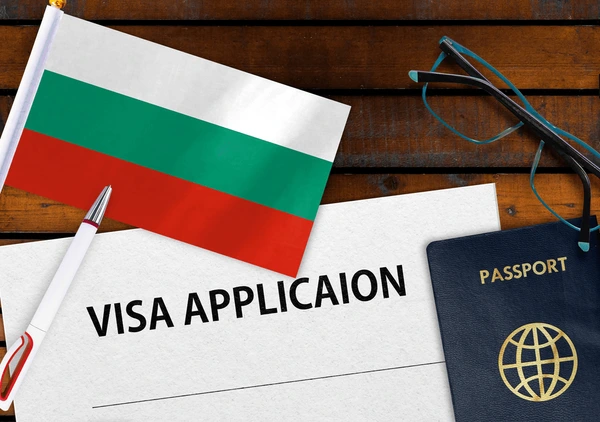
Bulgaria is now a full member of the Schengen Area, which changes how Nigerians visit. A short-stay visa for Bulgaria is a Schengen visa, and it lets you travel across the Schengen countries. Longer stays for study, work or family reunification still need a national visa (type D). This guide explains both and what to prepare.
What changed with Schengen membership
Bulgaria joined the Schengen Area fully on 1 January 2025. A Schengen visa issued by Bulgaria is valid across the area. A Schengen visa issued by another country also lets you enter Bulgaria. Older articles that describe a separate Bulgarian-only short-stay visa are out of date.
📌 Read More
Types of visa
| Type | Use | Notes |
|---|---|---|
| Short stay (type C) | Tourism, business, family visits. Up to 90 days in any 180 | Schengen visa, fee €90 for adults and €45 for children aged 6 to under 12; children under 6 are free |
| Long stay (type D) | Study, work, family reunification, stays over 90 days | National visa, followed by a residence permit in Bulgaria. Fee and papers set by Bulgaria |
Where to apply
The Embassy of Bulgaria in Abuja has a consular section that accepts visa applications in person. Opening hours, appointment rules and whether an outside application centre is used can change, so confirm them on the Bulgarian Ministry of Foreign Affairs website before you travel to the embassy. If Bulgaria is your main destination, apply there. If you are visiting several Schengen countries, apply to the country where you will spend the most days.
Documents for a short-stay visa
- Completed, signed application form and a recent photograph (35 mm by 45 mm).
- Passport issued within the last 10 years, valid at least 3 months after you leave, with two blank pages.
- Travel medical insurance of at least €30,000, including repatriation.
- Accommodation proof: a hotel booking, or an invitation from a Bulgarian host.
- Proof of funds: recent bank statements or a sponsor’s letter with the sponsor’s statements.
- Flight reservation or itinerary, and proof of work, business or study in Nigeria.
Extra documents for a long-stay visa
- Admission letter (study), employment contract or work permit (work), or marriage or birth certificates (family).
- Police clearance certificate, legalised as required.
- Proof of accommodation and of funds in Bulgaria.
Foreign documents often need an apostille and a certified translation. Our translation guide explains how.
Timeline
| Step | Timing |
|---|---|
| Apply for a short stay | From 6 months before, and at least 15 days before travel |
| Short-stay decision | Usually within 15 calendar days |
| Long-stay decision | Longer, set by Bulgaria. Apply well ahead of your start date |
| After arrival | Make sure your address is registered. Long-stay visa holders then apply for a residence permit |
Tips
- Be consistent: names, dates and addresses must match across your form, bookings and bank papers.
- Prepare certified translations early, since they take time.
- Keep copies of everything you submit.
For general Schengen rules see the Schengen visa guide. If you have been refused, read the refusal reasons guide.
Frequently asked questions
Do Nigerians need a visa for Bulgaria?
Yes. Nigerian citizens need a Schengen visa for short visits and a national visa for long stays.
Can I use a Bulgarian visa in other countries?
A short-stay visa from Bulgaria is a Schengen visa, so it is valid across the area. A long-stay national visa mainly lets you enter Bulgaria and apply for a residence permit.
📰 Similar Posts
Is the fee €80?
No, the short-stay Schengen fee is €90 for adults.
👀 You Missed
You Might Also Like


About the Author

No responses yet