
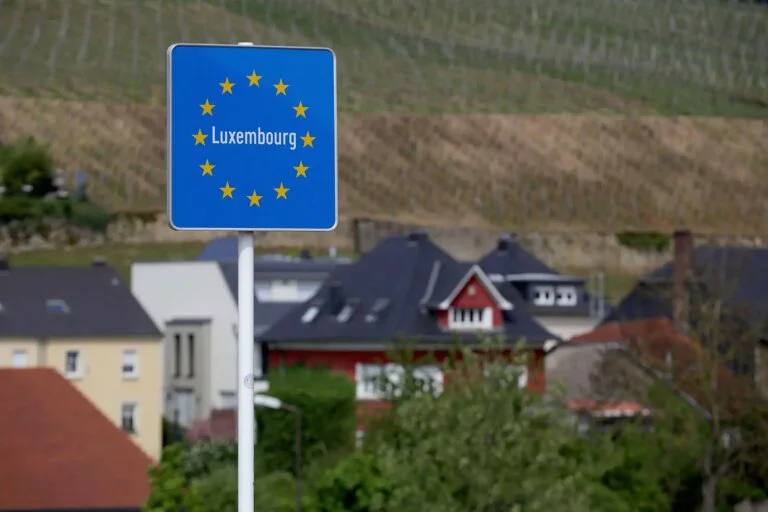
Luxembourg is often described online as a country where a family can “move for free”. The headline is half true. Once you live there legally, public transport is free, public schools charge no tuition and every child brings a monthly family allowance. The move itself is not free, and a residence permit has to come first.
This guide separates what is free from what is not, then walks through the permit and family reunification steps for people who come from outside the EU.
📌 Read More
What “free” really means in Luxembourg
“Free” describes running costs after you are a legal resident. Visa fees, flights, deposits and the first months of rent are still yours to pay.
| Item | What you get | What still costs money |
|---|---|---|
| Public transport | Buses, trams and second-class trains on the national network are free (since 1 March 2020) | First-class train travel, and travel beyond the border, where reduced cross-border fares apply |
| Public school | No tuition at public schools; lessons use Luxembourgish, German and French | Private and international schools can charge fees |
| Family allowance | A monthly payment for each child (amounts below) | Nothing to pay, but the child must live in Luxembourg and be covered by its rules |
| Healthcare | Compulsory health insurance, usually paid through employment, reimburses most costs | Some bills are paid upfront and reimbursed later, and some items are only partly covered |
| Housing | Nothing free | Rent, deposit and utilities, which are the largest cost for most families |
Family allowance: what to expect
The allowance is paid per child each month and rises as the child gets older. Amounts are indexed to prices and change over time, so confirm the current figure with the national children’s future fund (CAE) before you budget. The 2026 figures in a family-benefits guide are:
| Child’s age | Monthly allowance (about) |
|---|---|
| Under 6 | €299.86 |
| From age 6 | €322.53 |
| From age 12 | €379.10 |
A back-to-school payment arrives each August: €115 for a child over 6 and €235 for a child over 12. The allowance is paid until 18, and up to 25 if the child is in full-time secondary-level education (at least 24 hours a week). The child must be legally domiciled and actually living in Luxembourg, or be the family member of someone covered by Luxembourg law under EU rules. Children of employees who are only posted temporarily and are not registered with Luxembourg social security are not eligible.
Worked example (hypothetical)
A family has two children, aged 8 and 13. Monthly allowance: €322.53 + €379.10 = about €701.63. Over a year that is about €8,420. Add the August payments of €115 + €235 = €350 and the yearly total is about €8,770. It helps with costs, but it does not cover a family’s rent, so plan your budget around income, not benefits.
Who needs a permit
EU and EEA citizens have the right to live and work in Luxembourg, and their family members can join them. If you come from a non-EU country (a third-country national), you need an authorisation to stay and then a residence permit, and your family members need their own permits.
📰 Similar Posts
One common route for skilled workers is the EU Blue Card, which in Luxembourg requires a minimum gross annual salary of €65,652 since 3 March 2026. The threshold is reviewed, so check the current figure before you accept an offer.
Family reunification: the conditions
If you are already legally resident in Luxembourg, you can sponsor your spouse or partner and your children. This is called family reunification.
| Condition | What it means |
|---|---|
| Sponsor | A third-country national legally living in Luxembourg and intending to hold a long-term residence permit |
| Income | Stable, regular and enough to support the family without social assistance. The benchmark is the average monthly minimum wage for an unskilled worker over 12 months. The authorities may look at the last 6 months and can accept a lower income in some cases |
| Housing | Suitable under the 2019 housing rules. The guideline is 12 m² for the first occupant and 9 m² for each extra one, with natural light, heating, water and electricity |
| Health insurance | Cover for you and for each family member |
| Waiting period | A minimum stay applies. It does not apply to sponsors with sole custody of minor children, EU Blue Card holders, transferred workers, researchers and some long-term residents of another EU country |
Who counts as family
- A spouse or registered partner aged 18 or over (polygamous marriages are excluded)
- Unmarried children under 18 who depend on you or your spouse and are in your custody; with shared custody, the other parent must consent
- Dependent parents, or adult children who cannot support themselves for health reasons, only with ministerial approval and only after 12 months of lawful residence
Step by step: from application to residence permit
- Check that the sponsor meets the income, housing and insurance conditions above, and gather proof of each plus marriage and birth certificates.
- Apply for a temporary authorisation to stay from outside Luxembourg, to the immigration directorate or a Luxembourg embassy or consulate. An application filed from inside the country is treated as inadmissible.
- Wait for the decision. It normally takes up to 9 months, and silence after that period counts as a refusal. Complex cases can take longer.
- If approved, the authorisation is valid for 90 days. If your nationality needs a visa, apply for a type D visa, valid for up to 3 months.
- Within 3 days of arriving, make a declaration of arrival at the local commune.
- Complete the medical check, which includes a doctor’s examination and TB screening.
- Apply for the residence permit within 3 months of arrival, online through MyGuichet.lu or by post, with the €80 fee. The first permit is valid for one year and can be renewed.
- Applying from inside Luxembourg when the application has to be filed from abroad
- Booking flights or signing a long lease before the authorisation is approved
- Choosing housing that is too small for the number of people applying
- Assuming free transport includes first-class seats or journeys beyond the border
- Budgeting the family allowance before the family is registered and living in Luxembourg
Once your permits are in place, you can enrol children in school, register for the family allowance and use the healthcare system.
Schools for your children
Schooling is compulsory from age 4, and public schools do not charge tuition. Lessons are taught across Luxembourgish, German and French, which is a real advantage for children who will grow up multilingual. It is also a big adjustment for a child who arrives speaking only English, especially at secondary level. Many expat families therefore look at international or private schools that teach in English and follow British, American or International Baccalaureate programmes. These usually charge fees, so include them in your budget if you choose one.
Costs to plan for
| Cost | When | Note |
|---|---|---|
| Residence permit fee | After arrival | €80 per application |
| Visa fee, if required | Before travel | Check the embassy for the current fee |
| Medical check | After arrival | Doctor’s examination and TB screening |
| Flights | Before travel | Book only after the authorisation is approved |
| Rent and deposit | Before and after arrival | Usually the largest single cost |
| Health insurance | Before the application | Needed for every family member from the start |
Common mistakes to avoid
Frequently asked questions
Can I really move to Luxembourg for free?
No. The move has costs: permit and visa fees, a medical check, flights, a rental deposit and insurance. What is free or reduced is the day-to-day cost of transport and public schooling, and the family allowance adds income.
Is public transport free for everyone?
Residents, commuters and visitors travel free on buses, trams and second-class trains inside the national network. First class is charged, and free travel stops at the border.
Is education free for children of expats?
Public schools do not charge tuition for children living in Luxembourg. Private and international schools set their own fees.
How long does family reunification take?
The authorisation decision normally takes up to 9 months. After arrival, allow time for the medical check and the residence permit application, which must be made within 3 months.
Do I need a job to bring my family?
The sponsor must show stable, regular income that is enough to support the family. For most people that means employment. For the EU Blue Card route, the salary must also meet the current minimum.
Is healthcare free in Luxembourg?
It is covered by compulsory health insurance rather than being free of charge. You often pay first and are reimbursed, and some items are only partly covered, so keep supplementary insurance in mind.
Your next step
Decide which permit route fits your situation, confirm the sponsor’s income and housing, collect certificates, and set a budget for the first six months before you apply. Starting with the official immigration pages for current forms and fees will save you the most time.
👀 You Missed
You Might Also Like



About the Author

No responses yet