
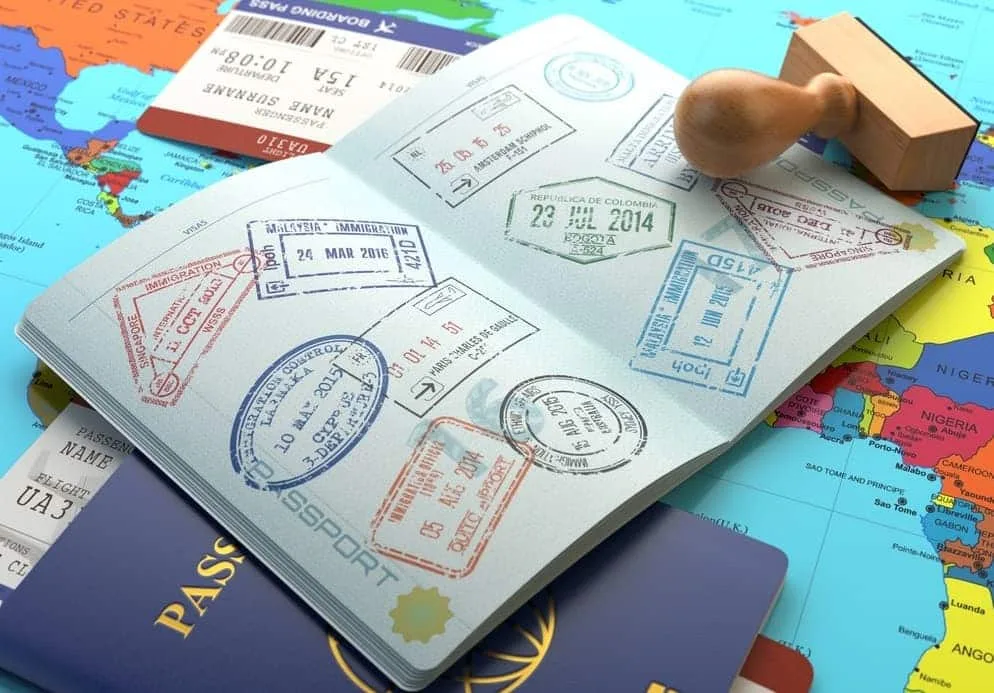
Travel history is the record of where you have been, under which visa and whether you followed the rules. It can help an application, and it can hurt one. This guide explains what visa authorities can see, how past refusals and overstays are treated, and what to do if you have little or no travel history.
What Visa Authorities Can See
- What you tell them. Forms ask about earlier travel and earlier refusals. The UK visitor application can ask for up to 10 years of travel history, depending on your circumstances.
- Your passports. Stamps, old visas and entry records support what you wrote.
- Shared databases. The Schengen Visa Information System stores your fingerprints, photo and application data, and keeps them for five years, starting from the visa’s expiry or the date of a negative decision. Border and visa authorities across the Schengen area can search it.
- Border records. The EU Entry/Exit System now records entries and exits of non-EU travellers at Schengen borders, so the length of your stay is recorded automatically.
How Different Histories Are Read
| History | How it tends to be read | What to do |
|---|---|---|
| Previous visas used and left on time | Positive. It shows you follow conditions | List them accurately and keep old passports |
| No international travel | Neutral. Many approved applicants are first-time travellers | Make the purpose, funds and ties especially clear |
| A previous refusal | Not a ban, but you must declare it | Address the reasons in a cover letter and show what has changed |
| An overstay | Serious. It is recorded and weighed in later applications | Be honest and take advice before applying |
| False or altered information | Very serious | Never do it |
The Penalties for Concealing the Past
Leaving out a refusal or inventing a trip is worse than the refusal itself. In the UK, using deception in an entry clearance application leads to a 10-year refusal period. Canada can bar an applicant for at least 5 years for misrepresentation, and may keep a permanent record. A single honest refusal is something you can explain. A concealed one is a finding of dishonesty.
📌 Read More
How to Present Your History Accurately
- Gather every current and old passport.
- List each trip: country, entry and exit dates, and purpose.
- Check the dates against tickets, emails, card statements or old visas.
- If you cannot remember a date exactly, say so, and give your best estimate.
- Use the same list on every form for the same period.
A Hypothetical Example
This is an illustration, not a real case. An applicant lists a 2019 trip to Dubai on one form and 2020 on another because he is working from memory. The mismatch invites questions, even though he did make the trip. Checking his passport stamp first and using that date everywhere would have avoided the problem.
If You Have Never Travelled
- Say so on the form. Do not invent trips.
- Show strong reasons to return: employment, a business, studies, family responsibilities or property.
- Give a clear itinerary and proof of funds. Our guide to financial requirements helps you decide what to show.
- A sponsor’s documents, an invitation or a conference registration can strengthen a first application.
Building a Record Over Time
Travel history grows by using each visa as intended and returning on time. Short, purposeful trips with clear documentation are better than many unexplained ones. Trips within West Africa can show you travel and return, but they may carry less weight than earlier visas from countries that require them. Never travel just to build a record if you cannot afford it, because the funds you spend are the funds you will need to show.
Frequently Asked Questions
Will a refusal from one country affect another?
Forms usually ask about refusals from any country, and you must answer truthfully. Officers decide each case on its own facts, but a refusal you hid will count against you.
Do expired visas still help?
Yes. Keep old passports. They are evidence of trips you completed.
What if my passport was replaced?
Bring the old one. If it was lost, list the trips you remember and supply any tickets or visas that show them.
📰 Similar Posts
Should I reapply immediately after a refusal?
Only when you can show something new. See how to avoid visa denials and, for the UK, appealing a refusal.
If you need help presenting a complicated history, you can contact KP Visas & Travels.
👀 You Missed
You Might Also Like



About the Author

No responses yet