
Sustainable travel means visiting a place in a way that protects its environment, supports local people and leaves little waste behind. No trip is impact-free, but some destinations make responsible travel much easier through protected land, clean energy, visitor limits and community-run tourism. This guide covers ten of them, with what to see, how to visit well and what Nigerian travellers should check before booking.
The Ten at a Glance
| Destination | Known for | Best for |
|---|---|---|
| Costa Rica | Protected rainforest and wildlife corridors | Nature and wildlife |
| Iceland | Geothermal and hydro power | Landscapes and low-carbon energy |
| New Zealand | Conservation of native species | Hiking and volunteering |
| Bhutan | Forest cover and a daily visitor fee | Culture and trekking |
| Sweden | Rail, cycling and public transport | City and Arctic trips without a car |
| Kenya | Community conservancies | Responsible safaris |
| Canada | Indigenous-led tourism | National parks |
| Finland | Forests, lakes and clean cities | Slow travel in nature |
| Norway | Electric transport and fjords | Scenic low-emission travel |
| Galápagos Islands | Strict visitor controls | Wildlife viewing |
1. Costa Rica
Costa Rica has set aside roughly a quarter of its land as national parks, wildlife refuges and reserves, and it has built a large part of its tourism industry around them. Cloud forests, volcanic landscapes and both Atlantic and Pacific coasts sit within a small area.
📌 Read More
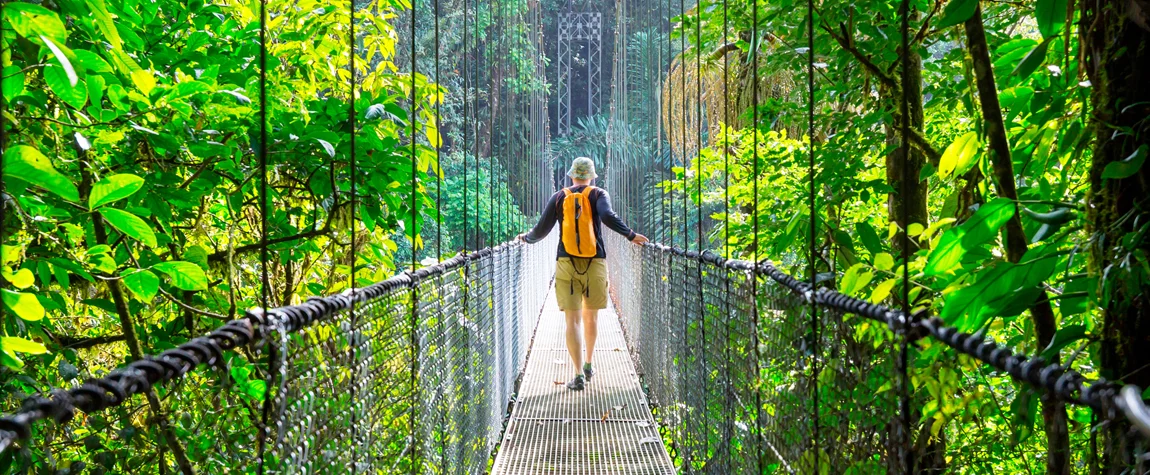
- Monteverde Cloud Forest: guided walks and bridges through high-altitude forest.
- Tortuguero National Park: turtle nesting on the Caribbean coast, with strict guide rules.
- Guanacaste: dry forest, beaches and lodges that publish their energy and water practices.
Visit well: choose lodges that use local guides, avoid single-use plastics and keep to marked trails. Visa rules for Nigerian passport holders vary, so check the Costa Rican consulate’s list before booking.
2. Iceland
Almost all of Iceland’s electricity and home heating comes from hydropower and geothermal sources, and the country has set a goal of carbon neutrality by 2040. Visitors see that in practice at geothermal pools, heated greenhouses and electric vehicle charging points.
- Thingvellir National Park: a UNESCO World Heritage site with rift valley landscapes.
- Jokulsarlon Glacier Lagoon: floating icebergs and black-sand beaches.
- Reykjavik: compact, walkable, with strong recycling and public transport.
Visit well: stay on marked paths, since the moss and soil recover slowly, and consider an electric rental car. Iceland is in the Schengen Area, so Nigerians need a Schengen visa.
3. New Zealand
New Zealand has invested heavily in protecting native birds and forests from introduced predators, and many national park visits involve biosecurity checks for shoes and gear. The country is a good fit for travellers who want to take part, not only watch.
- Fiordland National Park: fjords reached by low-impact boat tours.
- Rotorua: geothermal areas and Maori cultural experiences.
- Conservation volunteering: short programmes planting trees or monitoring wildlife.
Visit well: clean your boots and bags before walks, book conservation-focused operators, and plan the long flight carefully, since it is the largest part of your footprint.
📰 Similar Posts
4. Bhutan
Bhutan keeps a large share of its land under forest and is widely described as carbon negative, meaning its forests absorb more carbon dioxide than the country emits. Visitors pay a daily Sustainable Development Fee, which funds conservation, health and education, and tours are organised through licensed operators.
- Paro Taktsang (Tiger’s Nest): a cliffside monastery reached on foot.
- Punakha Valley: rice terraces, a dzong fortress and farm stays.
Visit well: check the current fee and visa process on Bhutan’s official tourism pages, because both have changed in recent years.
5. Sweden
Sweden makes car-free travel easy, with an extensive rail network, bike lanes, electric ferries and clear recycling systems. Eco-lodges and Arctic experiences show how tourism can run on low-carbon energy.
- Abisko National Park: northern lights viewing and mountain trails.
- Stockholm: an archipelago reached by public ferry.
Visit well: take trains between cities instead of short flights. Sweden is a Schengen state, so a Schengen visa applies.
6. Kenya
Kenya’s wildlife economy depends on keeping animals and habitats intact. Community conservancies around parks such as the Maasai Mara share tourism income with local landowners, who in turn protect land for wildlife. For Nigerians, Kenya is also one of the easiest destinations on this list to reach, since Nigerians are exempt from the eTA for stays up to 60 days.
- Maasai Mara: game drives with conservancy guides.
- Amboseli: elephants with Mount Kilimanjaro in the background.
Visit well: pick lodges owned or leased with local communities, keep your distance from animals and use licensed guides.
7. Canada
Canada protects large wilderness areas and has a growing network of Indigenous-led tours, from guided canoe trips to cultural programmes. Parks Canada manages several UNESCO World Heritage sites, including the Rocky Mountain parks around Banff.
- Banff National Park: mountains and lakes with shuttle services to reduce traffic.
- Gwaii Haanas and Haida Gwaii: an archipelago managed jointly with the Haida Nation.
Visit well: choose Indigenous-owned operators and use park shuttles where they run. Nigerians need a visitor visa for Canada.
8. Finland
Finland is mostly forest and lakes, and its cities have good public transport and strong recycling. The country has a legal tradition of public access to nature, known as everyman’s right, which lets visitors walk, ski and pick berries on most land as long as they respect the environment and local residents.
- Lapland: winter activities and northern lights, with small operators that limit group sizes.
- Helsinki: a walkable capital with tram and bike networks.
Visit well: choose local lodges, avoid disturbing wildlife and follow the leave-no-trace rules. A Schengen visa applies.
9. Norway
Norway runs largely on hydropower and has one of the world’s highest shares of electric vehicles. Some fjord ferries and cruises are electric or hybrid, which cuts emissions and noise in sensitive waterways.
- Geirangerfjord: a UNESCO-listed fjord with low-emission ferry options.
- Oslo: electric trams, cycling routes and green waterfront areas.
Visit well: travel by train and electric ferry, and check whether your fjord tour uses a low-emission vessel. Norway is a Schengen member.
10. Galápagos Islands
The Galápagos are protected by Ecuador as a national park and marine reserve. Visitors pay an entry fee, follow set routes and travel with licensed guides, which limits the damage that tourism can do to species found nowhere else.
- Santa Cruz Island: a research station and tortoise reserves.
- Isabela Island: snorkelling with penguins, marine iguanas and sea turtles.
Visit well: book through licensed operators, never touch wildlife and bring only what you need, since waste handling on small islands is hard.
How to Judge an Eco-Friendly Claim
- Look for specifics: where the power comes from, how waste and water are handled, what share of staff are local.
- Look for recognised standards, such as certifications aligned to the Global Sustainable Tourism Council criteria, rather than self-awarded labels.
- Be wary of “carbon neutral” claims that rely only on offsets and do not describe any cuts.
- Ask who benefits: community-owned or locally employed operations keep more income in the area.
Cutting Your Footprint on Any Trip
| Choice | Lower-impact option |
|---|---|
| Getting there | Fewer, longer trips instead of many short ones; direct flights where possible |
| Getting around | Trains, buses, bicycles or electric vehicles |
| Where to stay | Small, locally owned places with clear energy and water practices |
| What to eat | Local and seasonal food |
| What to bring | A refillable bottle, a reusable bag and reef-safe sun protection |
| How long to stay | A longer stay in one region instead of a quick circuit |
Hypothetical example: a traveller choosing between one week in each of three European cities by short flights, or two weeks in one Nordic region reached by one flight and local trains, cuts the number of flights from six to two. The second plan costs less in transfers and gives more time with local operators.
Entry Checks for Nigerian Travellers
| Destination | Entry point to check |
|---|---|
| Kenya | No visa or eTA for stays up to 60 days under the 2025 notice |
| Iceland, Sweden, Finland, Norway | Schengen short-stay visa; 90 days in any 180 |
| Canada | Visitor visa |
| New Zealand, Costa Rica, Bhutan, Ecuador | Check each government’s official pages for the current rule |
Frequently Asked Questions
What makes a destination sustainable?
Protected land, clean energy, limits on visitor numbers, and tourism income that reaches local people.
Is flying long distances to an eco destination worth it?
Flights are usually the biggest part of a trip’s emissions. Going less often, staying longer and choosing nearer eco destinations all help. Kenya, for instance, is much closer to Nigeria than Iceland or New Zealand.
Do carbon offsets fix the problem?
Offsets vary widely in quality. Treat them as a small add-on after you have reduced the emissions you can.
Which destination is cheapest?
Costs depend on season, flights and lodging. Kenya and Costa Rica are generally cheaper on the ground than the Nordic countries or Bhutan, which charges a daily fee.
Can I volunteer on a conservation project?
Yes, in several of these places. Choose registered organisations that share their finances and do not charge large fees for short stays.
👀 You Missed
You Might Also Like




About the Author

No responses yet