
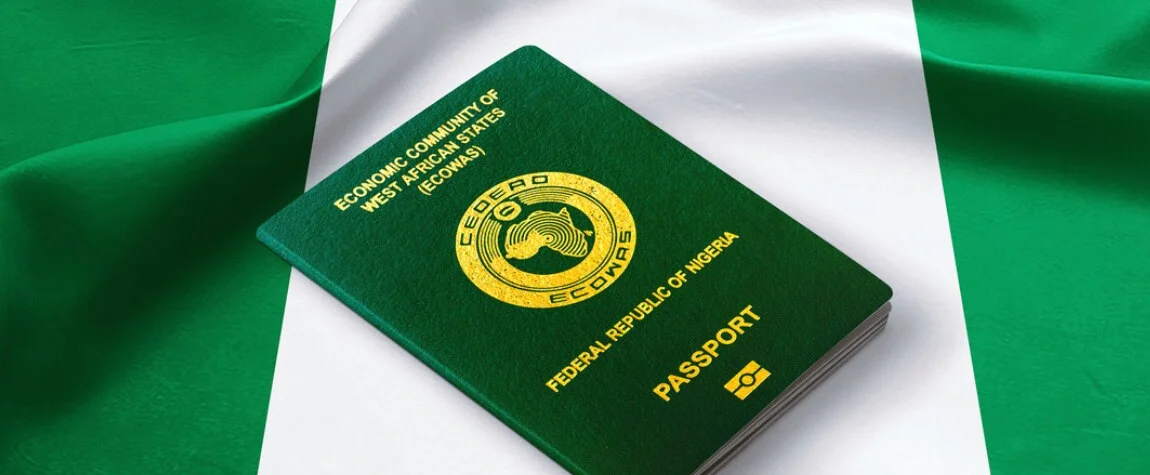
This guide is for foreign visitors, workers, investors and Nigerians by birth who hold another passport and want to enter Nigeria. It explains the main visa groups under the Nigeria Visa Policy, which the government launched on 4 February 2020 and which increased the number of visa classes from six to 79. Nigerian citizens applying for visas to other countries should read our guides on application timelines and documents.
The Main Groups at a Glance
| Group | Classes | Stay | Who it is for |
|---|---|---|---|
| Visa-free or exempt | F1A to F1D | Varies. Up to 90 days for several groups | ECOWAS citizens, nationals of Cameroon and Chad under visa abolition agreements, holders of certain official travel documents, and diplomatic or official passport holders from listed countries |
| Short visit visas | 24 classes, F2A to F9A | Up to 90 days | Tourism, business visits, transit, study tours, medical or religious travel and similar short stays |
| Temporary residence visas | 36 classes, R1A to R11 | Residence for up to 2 years | Expatriate employees and their dependants, and other longer temporary stays |
| Permanent residence visas | 15 classes, such as N1A to N6D | Residence for a minimum of five years, and indefinite for some classes | Spouses of Nigerians, investors, highly skilled migrants, retirees and dependants |
Short Visit Visas
Short visit visas are the ones most visitors need. The Nigeria Immigration Service lists them in two groups depending on how they are processed.
📌 Read More
| Processed through | Examples |
|---|---|
| e-Visa (online) | Tourism (F5A), business single entry (F4A) and multiple entry (F4B), visiting single entry (F6A), transit (F3B), academic exchange (F7H), study tour (F7G), sports (F7E), creative arts (F7F), emergency or relief work (F7K), and returning holders of foreign passports who are Nigerians by birth (F9A and F9B for accompanied minors) |
| Embassy or high commission | Visiting multiple entry (F6B), medical tourism (F7C), religious tourism (F7D), journalist (F7A), cleric (F7B), humanitarian services (F7J), staff of NGOs and INGOs (F7M and F7L), frequently travelled executives (F4C) and transit without visa (F3A) |
The e-visa route covers short visits of up to three months. The applicant applies online and obtains a travel authorisation letter before departure. Under the policy, every visa class, including e-visas, requires biometric data capture at a Nigerian mission or a designated visa application centre before it is issued.
Visa on Arrival
The policy sets out a visa on arrival for certain travellers, including African Union passport holders and some diaspora categories, for short visits such as tourism, business or emergency relief. It is available only at international airports, not at land borders. Because arrangements have changed since the policy was launched, confirm on the Nigeria Immigration Service portal whether you qualify before you fly.
Work Visas and Permits
- Temporary Work Permit, F8A: a single-entry visa of up to 90 days for specialised services, issued only at Nigerian missions after a prior authority letter from the Comptroller General of Immigration.
- Temporary Work Permit, R11: multiple entry for up to six months, not renewable, also issued only at missions.
- Subject to Regularisation (STR): now part of the temporary residence classes R2A to R2E, for expatriate employees. Dependants have their own separate classes.
A visitor visa does not allow you to work. The tourist, business-visit and similar short visit classes are for visits only, and some exempt categories, such as the Cameroon and Chad visa abolition class, are expressly not for work or business.
Permanent Residence Visas
| Class | For |
|---|---|
| N1A | Spouse of a Nigerian citizen |
| N2A and N2B | Nigerians by birth who gave up citizenship, and their spouses |
| N3A to N3E | Investors, by size and sector of business |
| N4A | Highly skilled immigrants |
| N5A and N5B | Retirees |
| N6A to N6D | Dependants of permanent residence holders |
Documents often include a passport with at least six months of validity, photographs, proof of relationship for family classes, proof of financial capacity for investor and retirement classes, and a police clearance. Some classes also need medical insurance or a medical certificate. Each class has its own list, so read the page for your class on the Nigeria Immigration Service site.
How to Choose and Apply
- Decide what you will do in Nigeria: visit, work, invest or settle.
- Find that purpose in the class list on the Nigeria Immigration Service website.
- Check whether the class is processed online or through a Nigerian embassy or high commission.
- Collect the documents listed for your class, with certified translations where needed.
- Pay the fee and complete biometrics where requested.
- Wait for the visa or authorisation letter, and carry it with your passport when you travel.
A Hypothetical Example
This is an illustration, not a real case. A Nigerian-born engineer who now holds a foreign passport wants to visit family for three weeks. His class is likely the returning holders of foreign passports visa (F9A), processed through the e-visa route. A friend with a British passport plans a two-week business trip with meetings only, so a business visa (F4A for a single entry) fits. Neither visa lets them take a job. If the friend later accepts a role in Nigeria, the employer would need to arrange the appropriate work or residence class first.
📰 Similar Posts
Common Reasons for Refusal
- Choosing the wrong class for the real purpose of the trip.
- Missing or inconsistent documents.
- Insufficient proof of funds or invitation.
- A passport that is near expiry.
Frequently Asked Questions
Do ECOWAS citizens need a visa?
ECOWAS citizens are visa-exempt under the free movement protocol, but they need a residence permit for business or employment.
Can I work on a tourist visa?
No. Work requires a work or residence class.
Where can I check current fees and rules?
On the Nigeria Immigration Service website or through the Nigerian embassy that serves your country. Fees and processes can change.
Is a Nigerian passport easy to renew?
See our guide to the Nigerian passport process.
If you need help choosing a class, you can contact KP Visas & Travels.
👀 You Missed
You Might Also Like



About the Author

No responses yet